
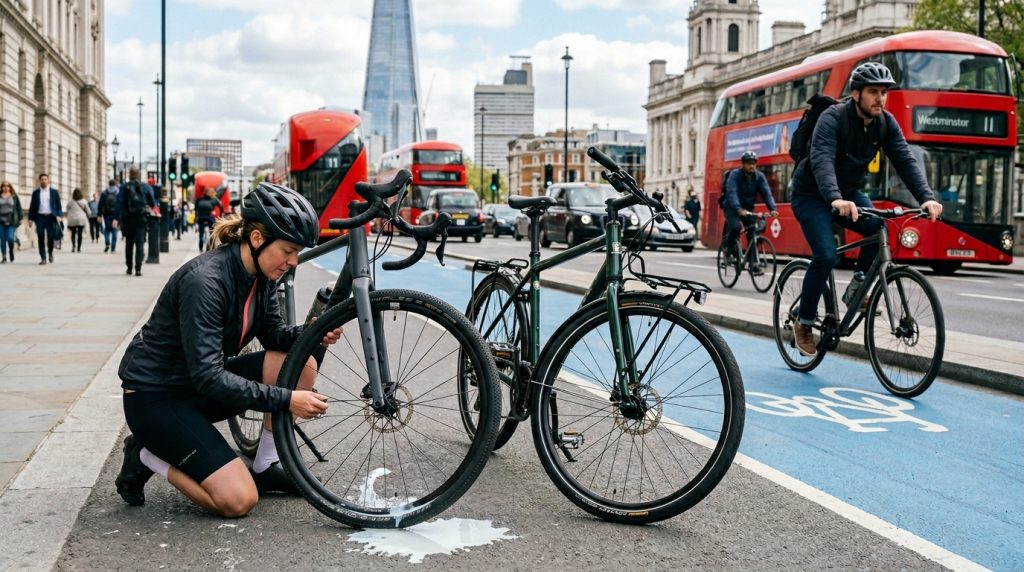
Cycling has ba essential part of daily life for many Londoners. Whether you are commuting to work, exploring the city’s parks, or enjoying a weekend ride, having the right tyre setup can make a significant difference to your overall cycling experience. One question that frequently comes up among cyclists is whether tubeless tyres are better than traditional inner tubes.
Both options have their advantages and disadvantages, and the right choice often depends on how and where you ride. London’s roads present a unique set of challenges, from potholes and uneven surfaces to broken glass and heavy traffic. Understanding the differences between tubeless tyres and inner tubes can help you make a more informed decision.
What Are Inner Tubes?
Inner tubes have been the standard choice for bicycles for many decades. An inner tube is a separate inflatable rubber tube that sits inside the tyre and holds the air. When a sharp object penetrates the tyre, it can puncture the tube, causing a flat tyre. While punctures can be frustrating, inner tube systems are relatively simple, affordable, and easy to repair.
Many cyclists continue to rely on inner tubes because they are widely available and straightforward to maintain. Whether you ride a road bike, hybrid bike, mountain bike, or commuter bicycle, inner tubes remain a dependable option.
What Are Tubeless Tyres?
Tubeless tyres work differently. Instead of using an inner tube, the tyre itself creates an airtight seal against a specially designed rim. A liquid sealant is added inside the tyre, which automatically seals small punctures as they occur. This technology was initially popular among mountain bikers but has become increasingly common on road bikes, gravel bikes, and commuter bicycles.
For cyclists who regularly encounter rough roads or debris, tubeless tyres can offer an extra layer of convenience and reliability.
Why London Roads Matter
London offers an extensive cycling network, but the city’s roads are not always perfect. Cyclists often face:
- Potholes
- Broken glass
- Construction debris
- Wet road surfaces
- Uneven pavement
- Heavy traffic conditions
These factors can influence which tyre system performs better. A setup that works well on smooth countryside roads may not be ideal for daily commuting through busy London streets.
Advantages of Inner Tubes
Lower Initial Cost
One of the biggest benefits of inner tubes is affordability. Inner tubes and standard tyres generally cost less than tubeless systems. For cyclists on a budget, this can be a significant advantage. Replacing a damaged tube is also inexpensive compared to some tubeless repairs.
Easy Repairs
Most cyclists know how to repair or replace an inner tube. Carrying a spare tube, tyre levers, and a mini pump allows you to fix most punctures quickly. Roadside repairs are usually straightforward and do not require special equipment.
Widespread Availability
Inner tubes can be found in almost every bike shop. If you experience a puncture during a ride, replacement tubes are easy to source. This convenience remains one of the main reasons many commuters stick with traditional tube setups.
Simple Installation
Installing an inner tube is relatively easy for beginners. Most cyclists can learn the process quickly without needing specialist tools. For riders who prefer a low-maintenance approach, inner tubes offer simplicity and familiarity.
Disadvantages of Inner Tubes
More Frequent Punctures
The main drawback of inner tubes is their vulnerability to punctures. Sharp objects can penetrate both the tyre and tube, resulting in an immediate loss of air. London’s roads often contain glass fragments and debris that increase puncture risks.
Pinch Flats
Inner tubes can suffer from pinch flats when the tyre compresses against the rim after hitting a pothole or kerb. These punctures create two small holes in the tube and often require replacement.
Higher Rolling Resistance
Because the tube creates friction against the tyre casing, inner tube setups may produce slightly higher rolling resistance. While casual riders may not notice the difference, performance-focused cyclists often do.
Advantages of Tubeless Tyres
Excellent Puncture Protection
One of the biggest attractions of tubeless tyres is puncture resistance. The liquid sealant inside the tyre can automatically seal small holes caused by glass, thorns, or road debris. In many cases, riders may not even realise a puncture has occurred. For London commuters, this can mean fewer interruptions and a more reliable ride.
Improved Comfort
Tubeless tyres allow cyclists to run lower tyre pressures without increasing the risk of pinch flats. Lower pressure helps absorb road vibrations, making rides more comfortable on rough surfaces. This can be particularly beneficial when navigating London’s older roads and uneven cycle paths.

Better Grip
Running lower pressures increases the tyre’s contact with the road. This improved contact often leads to better traction, especially during wet weather, which is something London cyclists frequently encounter. Enhanced grip can increase confidence when cornering or riding in poor conditions.
Reduced Rolling Resistance
Many cyclists find that tubeless tyres roll more efficiently than traditional tube systems. Reduced friction inside the tyre can improve speed and overall riding efficiency. For long-distance riders and enthusiasts, this benefit can be quite appealing.
Disadvantages of Tubeless Tyres
Higher Cost
Tubeless systems generally cost more than standard tyre and tube setups. Special tubeless-ready rims, tyres, valves, and sealant may all be required. The initial investment can be higher than many casual cyclists expect.
More Complex Installation
Setting up tubeless tyres can sometimes be challenging. Achieving an airtight seal may require an air compressor or high-volume pump. Some riders find the installation process frustrating compared to fitting a standard inner tube.
Regular Maintenance
Although tubeless tyres reduce punctures, they still require maintenance. Sealant gradually dries out and must be replaced periodically to maintain effectiveness. Ignoring sealant maintenance can reduce puncture protection over time.
Messier Repairs
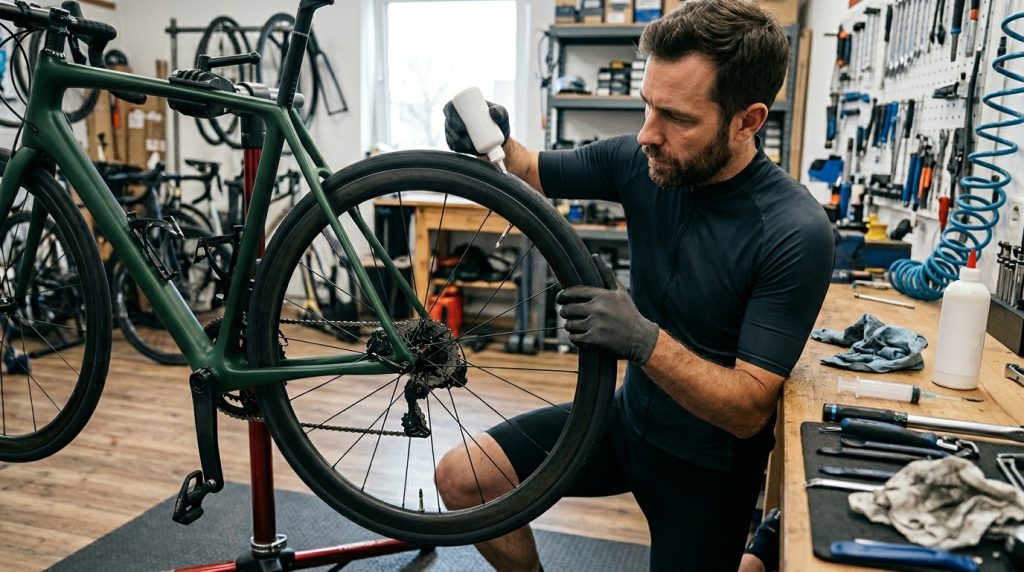
When larger punctures occur, repairs can become more complicated. Sealant can be messy, and some situations may still require an emergency inner tube installation. While major punctures are less common, they can be more difficult to handle on the roadside.
Which Option Is Better for Commuters?
For daily commuters, reliability is often the most important factor. If you regularly cycle through central London and encounter road debris, tubeless tyres can significantly reduce the number of punctures you experience. However, if you prefer simplicity and easy repairs, traditional inner tubes remain a practical choice. Many commuters continue to use puncture-resistant tyres combined with inner tubes and achieve excellent results.
Which Option Is Better for Weekend Riders?
Weekend cyclists have different priorities. Those who enjoy longer rides, fitness training, or cycling events may appreciate the comfort, grip, and efficiency offered by tubeless tyres. Meanwhile, recreational riders who cycle occasionally may find that inner tubes provide everything they need without additional expense or maintenance.
Making the Right Choice
There is no universal answer to the tubeless versus inner tube debate.
Your decision should depend on factors such as:
- Riding frequency
- Budget
- Maintenance preferences
- Road conditions
- Performance expectations
Some cyclists value convenience and puncture protection, while others prioritise affordability and simplicity. The best setup is the one that matches your individual cycling needs.
Final Thoughts
Both tubeless tyres and inner tubes have earned their place in modern cycling. Tubeless technology offers impressive puncture resistance, improved comfort, and better performance, making it an attractive option for many London cyclists. On the other hand, inner tubes remain affordable, easy to repair, and highly reliable for everyday riding.
If you are unsure which system is right for your bike, speaking with experienced cycling professionals can help you make the best choice. At Lea Bridge Cycles, we work with cyclists of all experience levels and can provide expert advice on tyres, bike maintenance, and upgrades. Whether you are considering a switch to tubeless tyres or simply need replacement inner tubes, the team at Lea Bridge Cycles is always ready to help keep you riding safely and confidently on London’s roads.Tubeless vs Inner Tubes: Which Is Better for London Cyclists?
Cycling has become an essential part of daily life for many Londoners. Whether you are commuting to work, exploring the city’s parks, or enjoying a weekend ride, having the right tyre setup can make a significant difference to your overall cycling experience. One question that frequently comes up among cyclists is whether tubeless tyres are better than traditional inner tubes.
Both options have their advantages and disadvantages, and the right choice often depends on how and where you ride. London’s roads present a unique set of challenges, from potholes and uneven surfaces to broken glass and heavy traffic. Understanding the differences between tubeless tyres and inner tubes can help you make a more informed decision.
What Are Inner Tubes?
Inner tubes have been the standard choice for bicycles for many decades. An inner tube is a separate inflatable rubber tube that sits inside the tyre and holds the air. When a sharp object penetrates the tyre, it can puncture the tube, causing a flat tyre. While punctures can be frustrating, inner tube systems are relatively simple, affordable, and easy to repair.
Many cyclists continue to rely on inner tubes because they are widely available and straightforward to maintain. Whether you ride a road bike, hybrid bike, mountain bike, or commuter bicycle, inner tubes remain a dependable option.
What Are Tubeless Tyres?
Tubeless tyres work differently. Instead of using an inner tube, the tyre itself creates an airtight seal against a specially designed rim. A liquid sealant is added inside the tyre, which automatically seals small punctures as they occur. This technology was initially popular among mountain bikers but has become increasingly common on road bikes, gravel bikes, and commuter bicycles.
For cyclists who regularly encounter rough roads or debris, tubeless tyres can offer an extra layer of convenience and reliability.
Why London Roads Matter
London offers an extensive cycling network, but the city’s roads are not always perfect. Cyclists often face:
- Potholes
- Broken glass
- Construction debris
- Wet road surfaces
- Uneven pavement
- Heavy traffic conditions
These factors can influence which tyre system performs better. A setup that works well on smooth countryside roads may not be ideal for daily commuting through busy London streets.
Advantages of Inner Tubes
Lower Initial Cost
One of the biggest benefits of inner tubes is affordability. Inner tubes and standard tyres generally cost less than tubeless systems. For cyclists on a budget, this can be a significant advantage. Replacing a damaged tube is also inexpensive compared to some tubeless repairs.
Easy Repairs
Most cyclists know how to repair or replace an inner tube. Carrying a spare tube, tyre levers, and a mini pump allows you to fix most punctures quickly. Roadside repairs are usually straightforward and do not require special equipment.
Widespread Availability
Inner tubes can be found in almost every bike shop. If you experience a puncture during a ride, replacement tubes are easy to source. This convenience remains one of the main reasons many commuters stick with traditional tube setups.
Simple Installation
Installing an inner tube is relatively easy for beginners. Most cyclists can learn the process quickly without needing specialist tools. For riders who prefer a low-maintenance approach, inner tubes offer simplicity and familiarity.
Disadvantages of Inner Tubes
More Frequent Punctures
The main drawback of inner tubes is their vulnerability to punctures. Sharp objects can penetrate both the tyre and tube, resulting in an immediate loss of air. London’s roads often contain glass fragments and debris that increase puncture risks.
Pinch Flats
Inner tubes can suffer from pinch flats when the tyre compresses against the rim after hitting a pothole or kerb. These punctures create two small holes in the tube and often require replacement.
Higher Rolling Resistance
Because the tube creates friction against the tyre casing, inner tube setups may produce slightly higher rolling resistance. While casual riders may not notice the difference, performance-focused cyclists often do.
Advantages of Tubeless Tyres
Excellent Puncture Protection
One of the biggest attractions of tubeless tyres is puncture resistance. The liquid sealant inside the tyre can automatically seal small holes caused by glass, thorns, or road debris. In many cases, riders may not even realise a puncture has occurred. For London commuters, this can mean fewer interruptions and a more reliable ride.
Improved Comfort
Tubeless tyres allow cyclists to run lower tyre pressures without increasing the risk of pinch flats. Lower pressure helps absorb road vibrations, making rides more comfortable on rough surfaces. This can be particularly beneficial when navigating London’s older roads and uneven cycle paths.
Better Grip
Running lower pressures increases the tyre’s contact with the road. This improved contact often leads to better traction, especially during wet weather, which is something London cyclists frequently encounter. Enhanced grip can increase confidence when cornering or riding in poor conditions.
Reduced Rolling Resistance
Many cyclists find that tubeless tyres roll more efficiently than traditional tube systems. Reduced friction inside the tyre can improve speed and overall riding efficiency. For long-distance riders and enthusiasts, this benefit can be quite appealing.
Disadvantages of Tubeless Tyres
Higher Cost
Tubeless systems generally cost more than standard tyre and tube setups. Special tubeless-ready rims, tyres, valves, and sealant may all be required. The initial investment can be higher than many casual cyclists expect.
More Complex Installation
Setting up tubeless tyres can sometimes be challenging. Achieving an airtight seal may require an air compressor or high-volume pump. Some riders find the installation process frustrating compared to fitting a standard inner tube.
Regular Maintenance
Although tubeless tyres reduce punctures, they still require maintenance. Sealant gradually dries out and must be replaced periodically to maintain effectiveness. Ignoring sealant maintenance can reduce puncture protection over time.
Messier Repairs
When larger punctures occur, repairs can become more complicated. Sealant can be messy, and some situations may still require an emergency inner tube installation. While major punctures are less common, they can be more difficult to handle on the roadside.
Which Option Is Better for Commuters?
For daily commuters, reliability is often the most important factor. If you regularly cycle through central London and encounter road debris, tubeless tyres can significantly reduce the number of punctures you experience.
However, if you prefer simplicity and easy repairs, traditional inner tubes remain a practical choice. Many commuters continue to use puncture-resistant tyres combined with inner tubes and achieve excellent results.
Which Option Is Better for Weekend Riders?
Weekend cyclists have different priorities. Those who enjoy longer rides, fitness training, or cycling events may appreciate the comfort, grip, and efficiency offered by tubeless tyres. Meanwhile, recreational riders who cycle occasionally may find that inner tubes provide everything they need without additional expense or maintenance.
Making the Right Choice
There is no universal answer to the tubeless versus inner tube debate.
Your decision should depend on factors such as:
- Riding frequency
- Budget
- Maintenance preferences
- Road conditions
- Performance expectations
Some cyclists value convenience and puncture protection, while others prioritise affordability and simplicity.
The best setup is the one that matches your individual cycling needs.
Final Thoughts
Both tubeless tyres and inner tubes have earned their place in modern cycling. Tubeless technology offers impressive puncture resistance, improved comfort, and better performance, making it an attractive option for many London cyclists. On the other hand, inner tubes remain affordable, easy to repair, and highly reliable for everyday riding.
If you are unsure which system is right for your bike, speaking with experienced cycling professionals can help you make the best choice. At Lea Bridge Cycles, we work with cyclists of all experience levels and can provide expert advice on tyres, bike maintenance, and upgrades. Whether you are considering a switch to tubeless tyres or simply need replacement inner tubes, the team at Lea Bridge Cycles is always ready to help keep you riding safely and confidently on London’s roads.