When the Ride Suddenly Stops
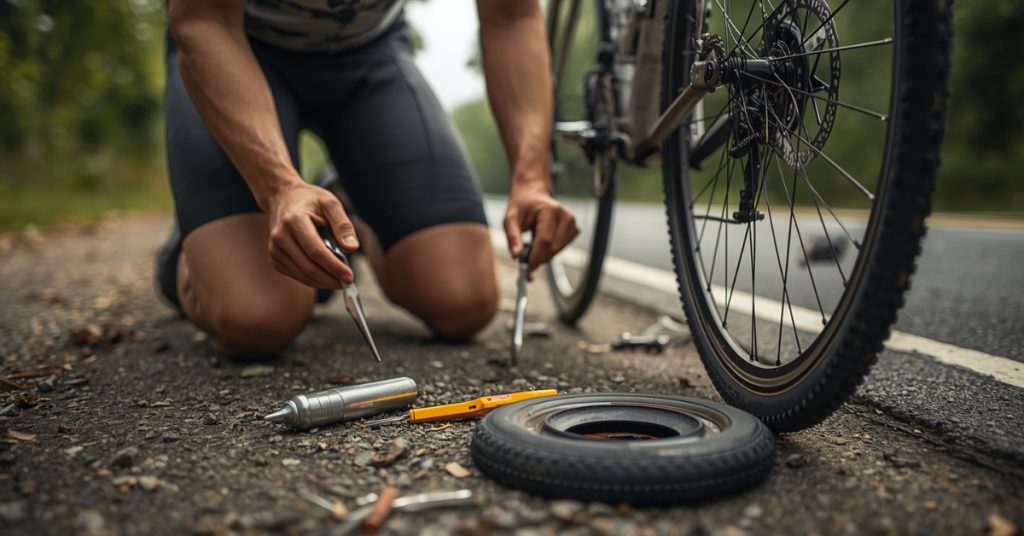
There’s a unique kind of disappointment that every cyclist experiences at some point the sudden realization that your tire has gone flat. One moment you’re enjoying the rhythm of the road, the breeze against your face, and the quiet hum of your wheels, and the next, everything slows down. The bike feels heavy, the ride becomes uneven, and you know something isn’t right. A flat tire can happen anywhere. It might be on a quiet countryside path, a busy city street, or halfway through what was supposed to be a relaxing ride. While it can feel frustrating at first, learning how to fix a flat tire transforms this inconvenience into a manageable part of cycling. Instead of ending your journey, it becomes just a small pause a moment to reset, learn, and continue.
Understanding Why Tires Go Flat
Before fixing a flat tire, it helps to understand why it happens. Most flats are caused by sharp objects like glass, thorns, or small metal fragments that puncture the inner tube. Sometimes, the cause is less obvious, such as riding over rough terrain, hitting a curb too hard, or even gradual wear and tear on the tire. Another common reason is underinflation. When a tire doesn’t have enough air pressure, it becomes more vulnerable to damage. The tube can get pinched between the rim and the ground, leading to what cyclists often call a “pinch flat.” Understanding these causes helps you not only fix the problem but also prevent it in the future.
Staying Calm and Finding a Safe Spot
The first step after noticing a flat tire is to stop safely. If you are riding in traffic or on a busy path, move to the side where you can work without distractions or danger. Taking a moment to breathe and assess the situation makes the process much easier. A flat tire might feel like a setback, but it doesn’t have to ruin your ride. With a calm approach and a little patience, you’ll be back on the road sooner than you think.

Removing the Wheel
Once you’re ready to begin, the next step is removing the wheel. If it’s the rear wheel, you may need to shift the chain onto the smallest gear to make removal easier. This reduces tension and allows the wheel to come off more smoothly. Most modern bikes use either a quick release lever or a thru axle system. Opening the lever or unscrewing the axle allows you to detach the wheel from the frame. It might feel a bit tricky the first time, but with practice, it becomes second nature. Holding the bike steady while removing the wheel ensures that everything stays balanced and controlled.
Taking the Tire Off the Rim
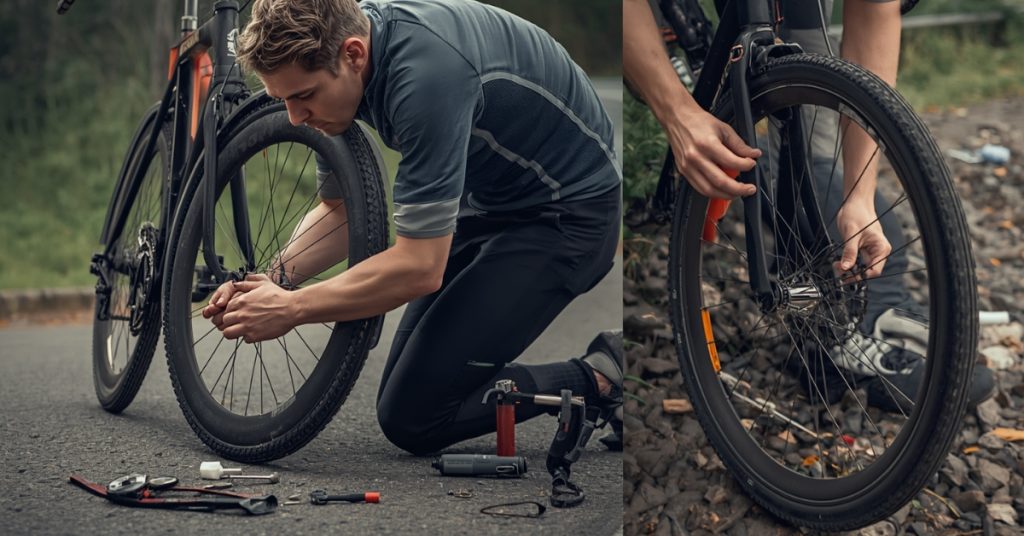
With the wheel removed, the next step is to take the tire off the rim. This usually requires tire levers, which are small tools designed to help lift the edge of the tire. By carefully inserting a tire lever between the rim and the tire, you can gently pry the tire away. Once one section is off, the rest of the tire can usually be worked off by hand. It’s important to do this slowly to avoid damaging the tire or rim. As the tire comes off, the inner tube becomes visible. This is where the puncture is usually located.
Finding the Puncture
Locating the puncture can sometimes be the most time consuming part of the process. If the hole is obvious, you may see or feel it right away. Other times, you might need to inflate the tube slightly and listen for escaping air or feel for it with your fingers. Some cyclists even hold the tube near their cheek to detect the faint sensation of air escaping. It’s a simple but effective method. Once you find the puncture, it’s also important to check the inside of the tire. Often, the object that caused the flat is still embedded in the tire. Running your fingers carefully along the inside helps ensure that you remove anything sharp before installing a new tube or patching the old one.
Repairing or Replacing the Tube
At this stage, you have two options: repair the tube or replace it. Many cyclists prefer replacing the tube because it is quicker and more reliable, especially during a ride. If you choose to repair it, you’ll need a patch kit. The process involves roughening the area around the puncture, applying adhesive, and placing a patch over the hole. After allowing it to set, the tube can be reinstalled. Replacing the tube is more straightforward. You simply remove the damaged tube and insert a new one, making sure it sits evenly inside the tire. Both methods work well, and the choice often depends on your preference and the tools you have with you.
Reinstalling the Tire and Wheel
Once the tube is ready, it’s time to put everything back together. Begin by placing the tube inside the tire and aligning it properly with the rim. Then, carefully work the tire back onto the rim, making sure the tube does not get pinched. This step requires patience. Rushing can lead to another flat before you even start riding again. Taking your time ensures that the tire sits correctly and securely. After the tire is fully in place, inflate it to the recommended pressure. A portable pump or CO2 inflator is essential for this step. As the tire fills with air, check that it is seated evenly around the rim. Finally, reattach the wheel to the bike, secure the quick release or axle, and make sure everything is tight and aligned.
Getting Back on the Road
With the tire fixed and the wheel back in place, it’s time to continue your journey. The first few moments after repairing a flat often feel especially rewarding. What started as a frustrating interruption becomes a small victory. You ride again with a sense of confidence, knowing that you handled the situation yourself. It’s a skill that every cyclist develops over time, and each experience makes you more prepared for the next.
Building Confidence Through Experience
Fixing a flat tire might seem intimidating at first, especially for new cyclists. But like any skill, it becomes easier with practice. The more familiar you are with your bike and tools, the quicker and smoother the process becomes. Many experienced cyclists even see it as a routine part of riding. It’s not something to fear but something to be prepared for. Carrying a small repair kit, including tire levers, a spare tube, and a pump, ensures that you are always ready for unexpected situations.
Preventing Future Flats
While flats can’t always be avoided, there are ways to reduce the chances of them happening. Keeping your tires properly inflated, checking them regularly for wear, and avoiding debris on the road can all help. Choosing quality tires with puncture resistant features also makes a difference. Over time, these small habits can significantly improve your riding experience.
Turning a Problem into a Skill
A flat tire may interrupt your ride, but it also offers an opportunity to learn something valuable. Each time you fix one, you become more self reliant and confident as a cyclist. Instead of feeling stuck or dependent on help, you gain the ability to solve the problem on your own. That independence is one of the most rewarding aspects of cycling. For those who want to feel fully prepared before heading out, getting advice or picking up essential tools from a trusted local shop can make a big difference. Many cyclists rely on places like Leabridge Cycles for guidance, repair kits, and expert support. With the right knowledge and a bit of practice, a flat tire becomes just another small part of the journey one that you can handle with confidence and ease.