
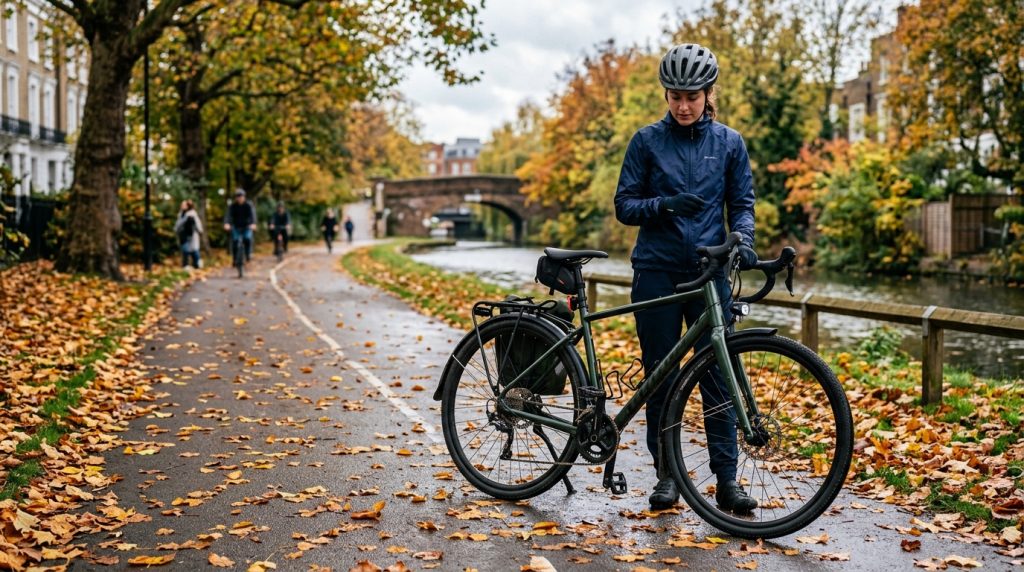
How to Prepare Your Bike for Autumn Cycling
Autumn is a great time to keep cycling. The cooler temperatures can make longer rides more comfortable, while quieter roads and changing scenery give everyday journeys a different feel. But as summer comes to an end, your bicycle needs to cope with more rain, wet leaves, road dirt and shorter daylight hours.
A bike that has been used regularly throughout the summer may also have accumulated wear that is easy to overlook. Before autumn weather becomes part of your daily routine, it is worth spending some time checking the important parts of your bike.
A few simple jobs can improve reliability, help protect components and make wet-weather cycling much more enjoyable. Here is how to prepare your bike for the autumn months.
1. Give Your Bike a Thorough Clean
One of the best places to start is with a good clean. During summer, dust and road grime can build up around the frame, wheels, drivetrain and brakes. Once autumn rain arrives, this dirt can mix with water and become much harder on your components.
Pay particular attention to the chain, cassette, chain rings and areas around the brakes. You do not need an expensive cleaning routine. A suitable bike cleaner, brushes, a clean cloth and some drivetrain degreaser can make a noticeable difference.
After washing the bike, dry it properly rather than leaving water sitting on the components.
Regular cleaning becomes even more important during wet weather because rain can wash dirt and debris towards the sides of the road, where cyclists often ride.
2. Check Your Tyres Carefully
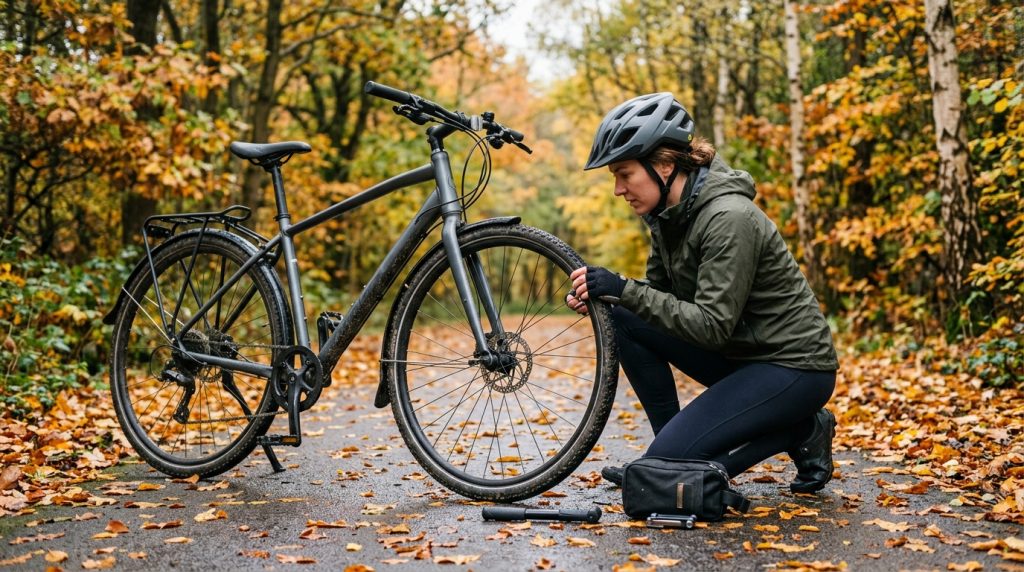
Your tyres are one of the most important parts of your bike, particularly when roads become wet.
Before autumn riding begins, inspect both tyres for cuts, cracks, worn tread or objects that may have become embedded in the rubber. Also check that they are inflated to an appropriate pressure.
The correct pressure depends on the tyre, rider weight, and bike and riding conditions, so check the pressure range printed on the tyre and follow the manufacturer’s recommendations.
If you’re existing tyres are badly worn, autumn can be a sensible time to replace them. Riders who regularly commute may also want to consider tyres designed with additional puncture protection.
Wet leaves, road debris and standing water can create extra challenges during autumn, so having tyres in good condition is important. Cycling UK also recommends checking tyre clearance before fitting wider tyres, as a tyre that is too large can rub against the frame or fork.
3. Inspect the Brakes
Good brakes are essential throughout the year, but they become particularly important when roads are wet.
Check that the brake levers feel firm and that the brakes stop the wheels smoothly. If you use rim brakes, inspect the brake pads for excessive wear and make sure they are correctly positioned against the rim.
For bikes with disc brakes, check the condition of the pads and discs. If braking feels weak, noisy or inconsistent, it is worth having the system inspected.
The UK’s Highway Code advises cyclists to ensure their brakes are efficient, while also checking tyres, wheels, gears, chain and lights before riding.
If you are unsure about the condition of your braking system, a professional inspection is better than waiting until a problem develops on the road.
4. Check the Chain and Gears
Autumn rain and road dirt can quickly make a neglected drivetrain noisy and rough.
Shift through all your gears and pay attention to how the chain moves between the sprockets. Gear changes should be reasonably smooth rather than accompanied by excessive noise, hesitation or chain skipping.
Look at the chain itself. If it is very dirty, clean it before applying fresh lubricant. Avoid simply adding more lubricant to a chain covered in old oil and dirt.
Once the chain is clean and dry, apply an appropriate bicycle chain lubricant. Wet conditions can put additional demands on the drivetrain, and regular cleaning and lubrication can help keep everything working smoothly.
If your chain, cassette or chain rings are significantly worn, autumn is a good time to have them checked before heavier winter riding begins.
5. Fit Mudguards
Mudguards can make a surprisingly big difference to autumn cycling.
Rainwater and mud can be thrown upwards from your wheels, leaving your clothes wet and covering parts of the bicycle with road grime. A suitable set of mudguards can reduce this spray considerably.
They can also help protect parts of the bike from water and dirt. This is especially useful for commuters who ride regularly in poor weather.
Before buying mudguards, make sure they are compatible with your bike and that there is enough clearance around the tyres. Different bikes require different mounting options, so choose a set that fits your frame correctly.
6. Check Your Bike Lights
Autumn brings shorter days, which means you are more likely to find yourself cycling in low light.
Check your front and rear lights before you need them. Make sure rechargeable lights are holding their charge and replace batteries in battery-powered lights when necessary.
Clean the lenses too. Dirt and road spray can reduce the amount of light that is visible to other road users.
In the UK, cyclists must have a white front light and red rear light lit when cycling at night. The Highway Code also highlights the importance of keeping lights and reflectors clean and in good working order.
Even if you normally finish your journey before sunset, carrying a small backup light can be useful if your journey takes longer than expected.
7. Check Your Wheels
Give both wheels a quick inspection before the autumn riding season.
Spin each wheel and look for obvious wobbling or unusual movement. Check that the tyres are seated correctly and that there are no damaged spokes.
If a wheel feels loose, makes unusual noises or does not spin properly, it should be inspected before you continue riding.
It is also worth checking the rims if you use rim brakes. Excessive wear on a rim can eventually affect braking performance.
A few minutes spent checking the wheels can help identify problems before they become more expensive repairs.
8. Keep a Basic Repair Kit with You
Even a well-maintained bicycle can suffer a puncture or mechanical problem during a ride.
For autumn commuting and longer rides, carry a small repair kit containing essentials such as:
- Spare inner tube
- Tyre levers
- Mini pump
- Multi-tool
- Puncture repair kit
- Basic emergency items
A spare inner tube is particularly useful because replacing a tube can be quicker than repairing a puncture at the roadside.
Cycling UK recommends carrying items such as a spare inner tube, tyre levers, mini-pump and multi-tool for autumn riding.
Before heading out, make sure you actually know how to use the equipment you carry. Practising at home is much easier than learning beside a busy road in the rain.
9. Pay Attention to Wet Leaves
Autumn leaves look great, but once they become wet they can create slippery patches on roads and cycle paths.
Try to avoid riding quickly across large piles of wet leaves where possible. Be particularly careful when cornering, braking or riding over leaves covering road markings or uneven surfaces.
Puddles can also hide potholes and other hazards, so avoid riding through deep water when you cannot see what is underneath.
A smooth and controlled riding style is especially useful when conditions are wet.
10. Check Your Bike after Wet Rides
Preparing your bike for autumn is not a one-time job.
If you ride regularly in rain, give your bike a quick inspection afterwards. Wipe away excess water and dirt, particularly around the drivetrain and braking components.
You do not necessarily need to perform a complete deep clean after every short journey, but regular attention prevents grime from building up.
If the bike has been particularly dirty after a long or wet ride, clean it properly and lubricate the chain once everything has dried.
This simple routine can help protect your bike as autumn gradually turns into winter.
11. Think about Your Riding Gear Too
Preparing the bicycle is only part of getting ready for autumn. Your own clothing and equipment matter as well.
Autumn weather can change quickly, so layers are useful. A lightweight waterproof jacket can be carried easily when rain is not guaranteed, while full-finger gloves can make cooler mornings more comfortable.
If you regularly commute, consider how you will protect items such as phones, laptops and spare clothing from rain. Waterproof or weather-resistant bags can be particularly useful.
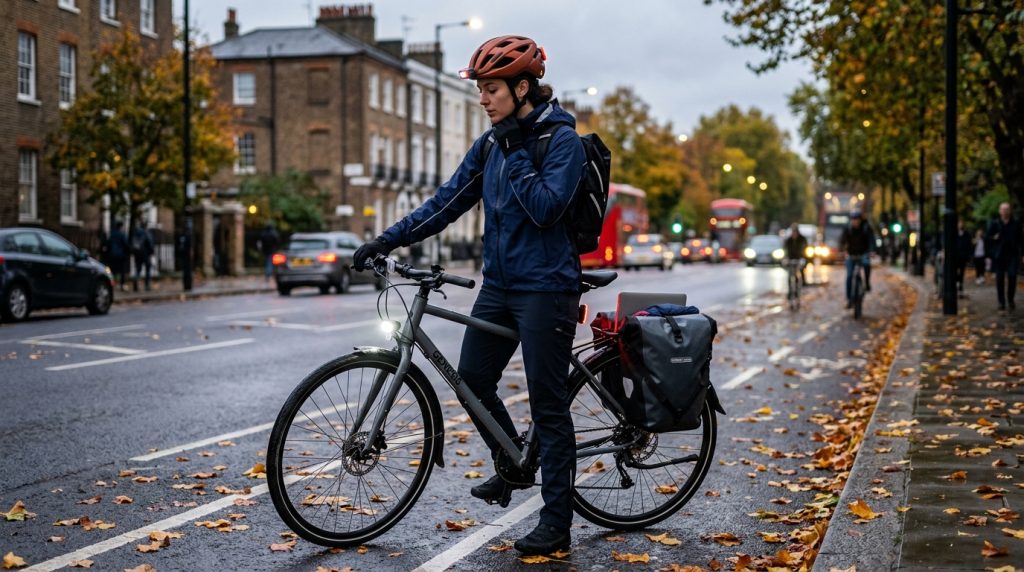
Visibility is another consideration. As daylight decreases, reflective details and suitable lights can make it easier for other road users to notice you.
12. Consider a Professional Service
If your bicycle has been ridden heavily throughout spring and summer, autumn can be a good time to arrange a service.
A professional check can identify worn brake pads, stretched cables, drivetrain wear, bearing problems and other issues that may not be obvious during a quick inspection at home.
This is particularly worthwhile if you have noticed unusual noises, poor gear changes, weak braking or problems that keep returning.
Getting small problems sorted before winter arrives can save you from dealing with a larger mechanical issue later.
Enjoy Autumn Cycling
There is no reason to stop cycling simply because the weather becomes cooler and wetter. With a little preparation, your bike can continue to be a reliable form of transport throughout autumn.
Start with the basics: clean the bike, inspect the tyres, check the brakes, clean and lubricate the chain, test the gears, fit suitable mudguards and make sure your lights work. Keep a basic repair kit with you and pay extra attention to wet leaves, puddles and road debris.
Most importantly, make bike checks part of your regular routine rather than waiting for something to go wrong. A few minutes of maintenance can make a big difference to reliability, comfort and confidence on the road. If you need help choosing the right bike parts, tyres, inner tubes, accessories or maintenance products for the changing season, Camden Cycles can help you prepare your bike for autumn riding and keep it ready for the months ahead


