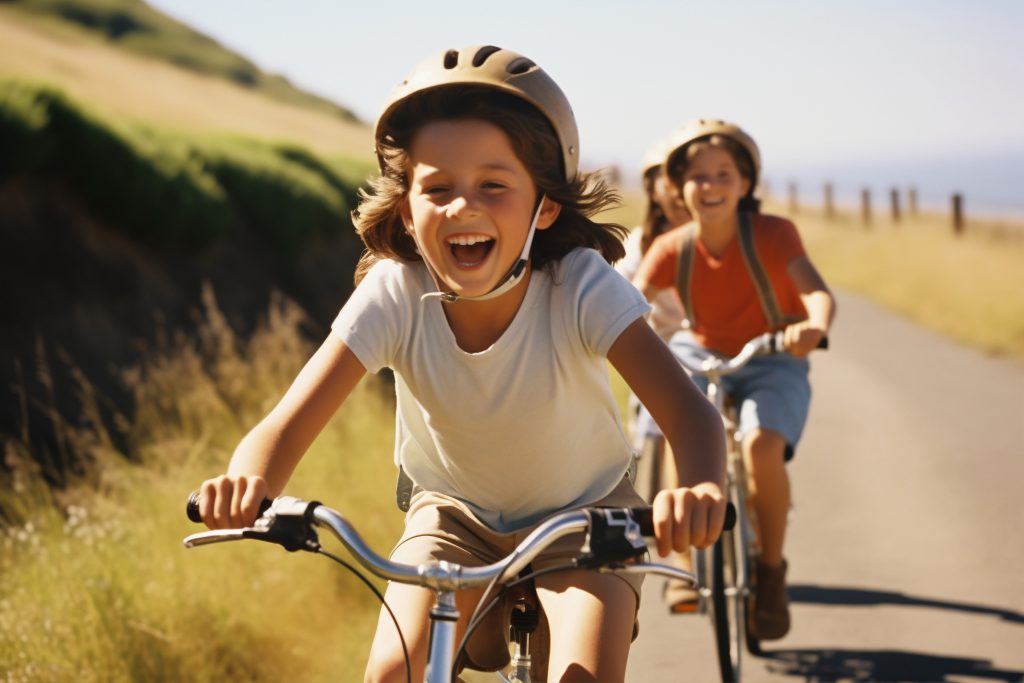
Teaching your child to ride a bike is one of the most rewarding moments for any parent. It’s not just about learning balance or pedaling it’s about confidence, independence, and fun. But just as important as learning how to ride is knowing how to ride safely. In this comprehensive guide, we’ll walk you through the essential steps for teaching your child to ride a bike while prioritizing safety every step of the way.
Why Bike Safety Matters for Children
Children are naturally adventurous and eager to try new things. Riding a bike opens up new opportunities for exploration and physical activity. But without proper safety training, cycling can come with risks falls, scrapes, and even accidents involving cars or pedestrians. That’s why it’s crucial to create a learning environment that focuses on both fun and safety.
Step 1: Choose the Right Bike
Fit and Size
Start by selecting a bike that fits your child properly. A bike that is too big or too small can make learning frustrating and even dangerous. Your child should be able to:
- Stand over the top tube with both feet flat on the ground.
- Reach the handlebars comfortably.
- Touch the ground with their feet while sitting on the saddle.
Types of Bikes for Beginners
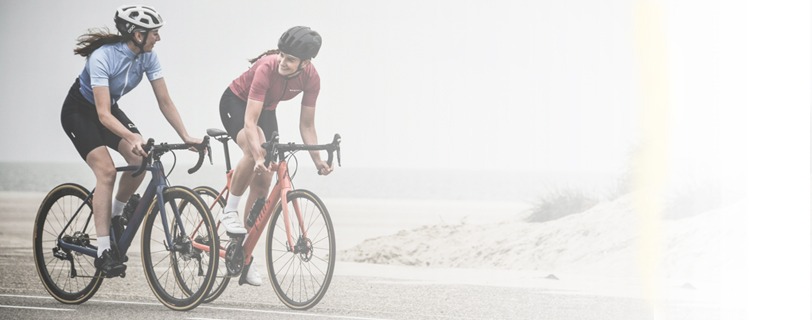
For very young learners (ages 2–4), consider a balance bike. These pedal-free bikes help children develop balance and steering skills before moving on to a pedal bike.
Step 2: Gear Up with Proper Safety Equipment
Before even getting on the bike, your child needs the right safety gear:
- Helmet: A well-fitting helmet is non-negotiable. It should sit level on the head and cover the forehead without tilting.
- Knee and Elbow Pads: These are great for added protection during the learning phase.
- Bright Clothing: Visibility is key. Choose bright or reflective clothing, especially in lower light conditions.
- Closed-Toe Shoes: Proper footwear ensures a better grip on the pedals and protects feet in case of a fall.
Step 3: Pick a Safe Learning Environment
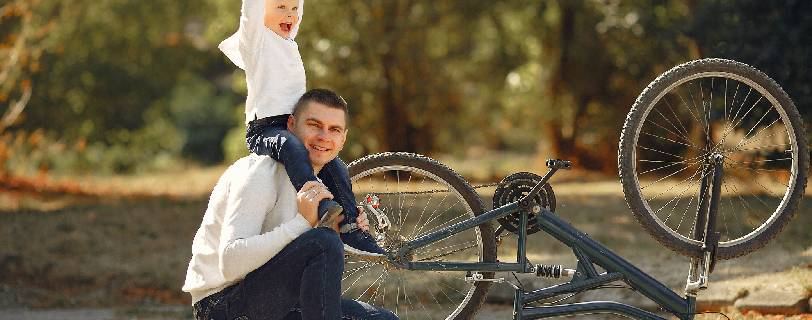
Your child’s first few rides should happen in a controlled, car-free environment. Good options include:
- Empty parking lots
- Quiet parks with paved paths
- Your driveway (if space allows)
Avoid areas with traffic, hills, or obstacles until your child is more confident.
Step 4: Teach the Basics One Skill at a Time
Balancing
If you’re using a regular bike, remove the training wheels and lower the seat so your child can use their feet to push and stop just like a balance bike. This helps them get comfortable with the feel of the bike and develop coordination.
Steering
Once balance is improving, focus on steering. Encourage your child to look ahead, not down, and to use gentle handlebar movements.
Pedaling and Braking
Now reintroduce the pedals. Practice pedaling in a straight line, then teach braking gently. Start with coaster brakes (pedal backward to stop) before introducing hand brakes.
Step 5: Encourage Safe Riding Habits
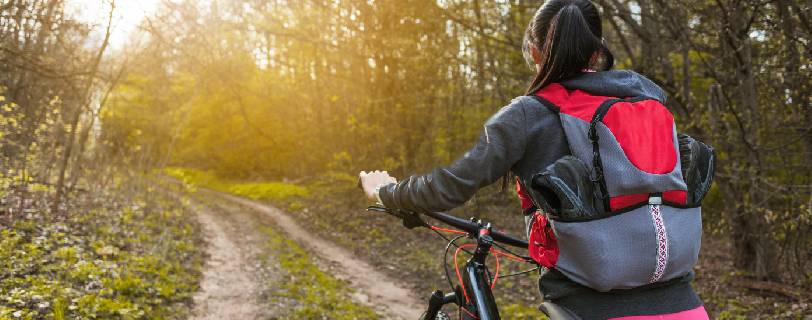
This step is crucial for long-term cycling success. Instill good habits from the beginning:
- Always Wear a Helmet: Make it a non-negotiable rule.
- Stop at Driveways: Teach your child to pause and look both ways before crossing.
- Look and Listen: Encourage constant awareness of surroundings.
- Use Hand Signals: If your child will eventually ride on roads or in shared spaces, teach basic signals early on.
- Ride on the Left in Parks (UK) or on the Right (US): Follow local rules and park signage.
Step 6: Be Patient and Celebrate Small Wins
Learning to ride a bike is a big deal for a child. Be encouraging, patient, and positive. Celebrate every small success from sitting on the bike confidently to riding a short distance without help.
If your child gets frustrated, take breaks and avoid pushing too hard. Every child learns at their own pace.
Step 7: Progress to Riding Independently
Once your child can balance, steer, pedal, and brake confidently, start practicing longer rides in slightly more varied environments. Gradually introduce gentle hills or shared paths, always keeping safety the top priority.
As their confidence grows, so will their independence and before you know it, you’ll have a young cyclist ready for new adventures.
Final Tips for Parents
- Lead by Example: Ride your own bike safely helmet on and following all rules.
- Routine Bike Checks: Before each ride, check tire pressure, brakes, and chain.
- Stay Involved: Even after they learn, continue to supervise until you’re confident in their road awareness.
Conclusion
Teaching your child to ride a bike safely is about much more than just balance and pedals it’s about building lifelong habits of confidence, responsibility, and fun. With the right gear, environment, and approach, you’ll set your child up for years of safe and enjoyable cycling.
So grab the helmets, pick the right spot, and get ready to cheer them on your child’s cycling journey starts now!