
Imagine riding down your favourite path, the wind brushing past your face. Suddenly you squeeze the brake lever and nothing happens. The bike does not stop as it should. That sudden fear is enough to ruin a ride. Brakes are the most important safety feature on your bike. If they are not working properly, every ride becomes risky. The good news is that adjusting your brakes is easier than it seems. With the right steps and a little attention, you can make sure your brakes stop your bike safely every time.
Understanding how your brakes work is the first step. Most bikes have either rim brakes or disc brakes. Rim brakes press brake pads against the wheel rim to slow you down. Disc brakes use a rotor attached to the wheel hub, with calipers squeezing it. Both types can work perfectly when adjusted correctly. Knowing your brake type is essential before you start. This knowledge helps you adjust them faster and ensures your safety on the road or trail.
What You Need to Adjust Your Brakes
Before you begin, gather some basic tools. You will need a multi‑tool or wrench, Allen keys, a screwdriver, a clean cloth, and a small amount of lubricant. A bike stand is helpful but not required. It keeps your bike steady while you work. Also, take a moment to make sure your bike is clean. Dirt and debris can interfere with brake performance. With the right tools and setup, adjusting brakes becomes much easier and safer. If you are missing any parts, you can check out the bike parts and accessories section at Leabridge Cycles.
Adjusting Rim Brakes for Perfect Stopping Power
If your bike has rim brakes, start by checking the brake pads. The pads should line up evenly with the wheel rim and not touch the tire. Squeeze the brake lever and see if both pads hit the rim at the same time. If not, loosen the bolts holding the pads, align them so they are parallel with the rim, and tighten the bolts. Next, check the brake cable. Loosen it slightly and pull it until the pads press firmly against the rim when the lever is squeezed. Tighten the cable and test the brake lever again. The lever should feel firm, not loose or overly tight. If the pads are worn, replace them before riding. Properly aligned rim brakes give you smooth and predictable stopping every time.
Adjusting Disc Brakes for Smooth Control
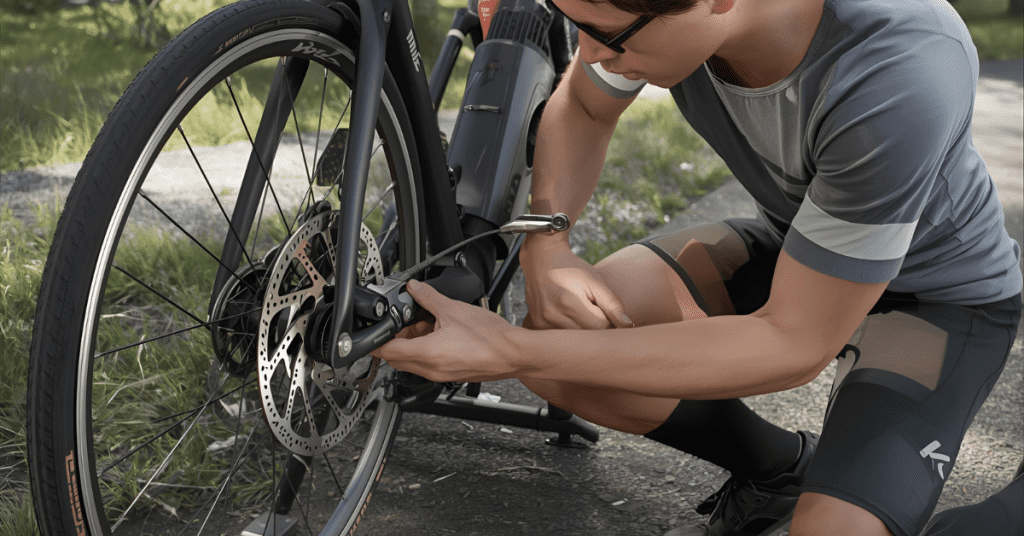
Disc brakes work differently. Start by inspecting the rotor, the round metal disc attached to the wheel hub. Make sure it is clean and free of oil, dirt, or debris. Loosen the caliper bolts slightly and squeeze the brake lever. This centres the caliper over the rotor. While holding the lever, tighten the bolts. Spin the wheel to ensure the rotor does not rub against the brake pads. If rubbing occurs, repeat the process or make small adjustments. Mechanical disc brakes use cables, while hydraulic brakes use fluid to operate. Hydraulic brakes may need a professional if the lever feels spongy or inconsistent. If you are unsure, you can book a professional brake service at Leabridge Cycles.
Safety Checks After Adjustment
After adjusting your brakes, test them carefully. Ride your bike slowly in a safe area and check both front and rear brakes. Make sure the bike stops smoothly without unusual noises or resistance. Inspect the brake lever again. It should move slightly before the brakes fully engage but not so far that it feels loose. Examine the brake pads, rotors and cables one more time. Regular safety checks prevent accidents and keep your bike performing at its best. Also, consider checking other components like tyres and inner tubes a visit to their tyres and inner tubes can help you stay fully prepared.
Tips to Keep Brakes in Top Condition
Maintaining your brakes goes beyond adjustment. Keep brake pads clean and free from dust and grit. Wipe rims or rotors with a clean cloth after rides, especially in wet or muddy conditions. Lubricate cables lightly to prevent rust and stiffness. Replace brake pads if they are worn down. For rim brakes, inspect the rim surface for wear. Regular maintenance extends the life of your brakes and keeps you safe. Small habits like these prevent costly repairs and dangerous situations on the road.
How Weather Affects Your Brakes
Weather plays a role in brake performance. Rain can reduce stopping power, especially with rim brakes. Mud, sand and dirt can cause pads to wear faster or make braking uneven. After a wet or muddy ride, clean and inspect your brakes. This simple step ensures your brakes remain responsive and reliable. Knowing how weather affects braking helps you ride safely in all conditions.
When to Replace Brake Components
Brake pads, rotors and cables wear over time. Pads become thin, rotors may bend, and cables can fray. Replacing worn parts is crucial for safety. Riding with damaged brakes is risky and can lead to accidents. Regular inspection and replacement of parts prevent failures and maintain smooth, reliable braking. Preventive maintenance is always easier than dealing with brake problems during a ride.
Confidence and Control Through Proper Brakes
Knowing how to adjust your brakes gives you confidence. You can ride faster, navigate turns safely, and handle emergencies with ease. This skill is valuable for commuting, recreational rides, and off‑road cycling. Adjusted brakes allow you to focus on enjoying your ride rather than worrying about stopping safely. Confidence comes from preparation, and brake adjustment is a key part of that preparation.
Regular Maintenance Makes a Difference
Brake adjustment is not a one‑time task. Make it part of your regular bike maintenance routine. Check your brakes before each ride, especially if you travel long distances or ride in busy areas. Combine this with other maintenance tasks like checking tyre pressure or lubricating your chain. A well‑maintained bike performs better and keeps you safer. Regular care extends the life of your components and enhances your cycling experience.
Brakes and Overall Bike Performance
Properly adjusted brakes improve overall bike performance. They allow for smoother rides, better speed control, and less stress on wheels and tyres. Smooth, reliable braking also reduces accidents caused by sudden stops. Brakes are more than a safety tool; they are an essential part of your cycling experience. A well‑maintained braking system enhances both comfort and control.
Enjoy Every Ride Safely
Cycling should be fun and liberating. Properly adjusted brakes ensure that every ride is safe and worry‑free. You do not need to be a professional mechanic to adjust brakes. With a few tools, careful attention, and some knowledge, anyone can do it. Follow the steps for your specific brake type, test thoroughly, and maintain your bike regularly. This effort guarantees safe rides and gives you peace of mind.
Stop with Confidence Every Time
Adjusting your brakes for maximum safety is essential for every cyclist. It prevents accidents, improves control, and allows you to enjoy every ride fully. Understanding your brake type, using the right tools, following clear adjustment steps, and maintaining your bike regularly ensures your brakes perform at their best. Take time before each ride to check and adjust your brakes. This small effort protects you and others, making cycling a safe and enjoyable experience. Proper brakes are your lifeline on the road or trail. Keep them in top condition, and every ride will be safe, smooth and full of confidence. For more guidance on keeping your bike safe and in top condition explore the bike maintenance service at Leabridge Cycles.