
The Year Electric Cycling Truly Comes of Age
Electric cycling is no longer a niche trend or a futuristic concept. By 2026, it has firmly become part of everyday life for commuters, adventurers, families, and fitness enthusiasts alike. What was once seen as an alternative option is now a first choice for many riders who want freedom, flexibility, and fun without compromise. Electric bikes have evolved beyond simply “assisted cycling” and now represent a whole new way to experience roads, trails, and cities.
As technology continues to improve and people rethink how they move through their daily lives, electric cycling has emerged as one of the most exciting lifestyle shifts of the decade. In 2026, riding an e-bike is not about cutting corners; it is about opening doors to experiences that were once out of reach.
Why Electric Bikes Are More Popular Than Ever
The rise of electric cycling is driven by a mix of practicality and pleasure. Modern life demands efficiency, but it also craves balance. Electric bikes deliver both. Riders can travel longer distances without exhaustion, arrive without stress, and still enjoy the sensation of being outdoors and active.
In 2026, more people are choosing e-bikes because they remove common barriers to cycling. Hills are no longer intimidating, long commutes feel manageable, and riders of different fitness levels can comfortably cycle together. This inclusivity has reshaped the cycling community, making it broader, more welcoming, and more diverse than ever before.
Electric bikes also align perfectly with modern environmental values. As cities continue to reduce car dependency and encourage sustainable transport, e-bikes offer a realistic and enjoyable alternative to driving. They are efficient, quiet, and far less resource-intensive than cars, making them a smart choice for the future.
Smarter Technology, Smoother Rides
One of the most exciting aspects of electric cycling in 2026 is how refined the technology has become. Early electric bikes were functional but bulky. Today’s models are sleek, lightweight, and intelligent. Batteries are smaller yet more powerful, offering longer ranges and faster charging times. Many riders can now go several days of commuting on a single charge.
Motor systems have also improved dramatically. Assistance feels smoother and more natural, responding intuitively to pedaling effort rather than switching on abruptly. Riders often forget the motor is even there, except for the ease it brings on climbs or against strong headwinds.
Integrated displays, smartphone connectivity, and adaptive assistance modes allow cyclists to customize their ride. Whether cruising through city streets or exploring countryside lanes, riders can adjust support levels to match terrain, mood, or fitness goals. In 2026, electric bikes feel less like machines and more like extensions of the rider.
Urban Exploration Without Limits
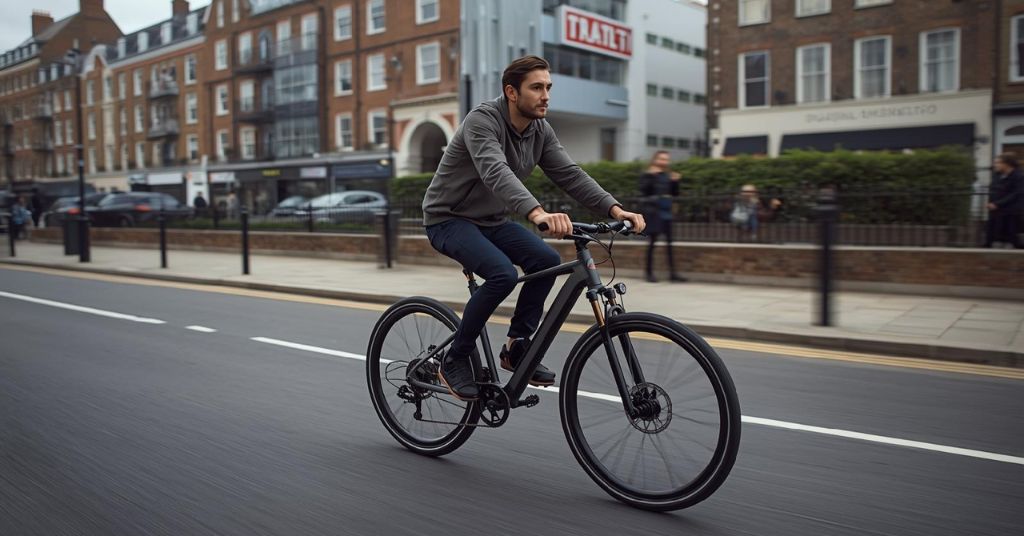
Cities have become playgrounds for electric cyclists. In 2026, urban infrastructure is increasingly bike-friendly, with expanded cycle lanes, traffic-calmed streets, and better bike parking. Electric bikes allow riders to move through cities faster than cars during peak hours, without the stress of congestion or parking.
Urban electric cycling is not just about commuting. Many riders use their bikes to rediscover their own neighborhoods, exploring streets, markets, parks, and cultural spots they once drove past without noticing. The ease of riding an e-bike encourages spontaneity. Detours feel inviting rather than exhausting.
For people who once felt cycling in the city was too demanding or time-consuming, electric bikes have completely changed the equation. The city feels closer, more accessible, and more alive when experienced from the saddle.
Adventure Riding Reimagined
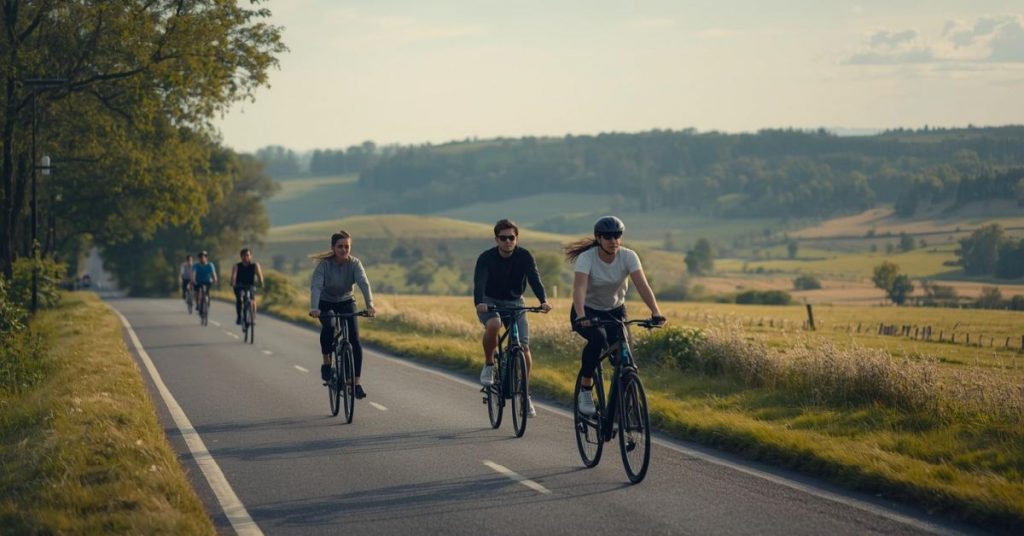
Electric cycling in 2026 is not limited to city streets. Adventure riding has been transformed by e-bikes, opening up trails, countryside routes, and longer journeys to a wider audience. Hills that once required elite fitness are now achievable for recreational riders. Long rural loops that once demanded full-day endurance can now be enjoyed at a relaxed pace.
This shift has changed how people think about outdoor cycling adventures. Riders can focus more on scenery, exploration, and shared experiences rather than physical strain. Multi-day trips have become more approachable, with electric bikes making it possible to cover longer distances while still enjoying each day.
Importantly, e-bikes have also encouraged people to return to cycling after long breaks due to injury, age, or lifestyle changes. Adventure is no longer reserved for the young or ultra-fit. In 2026, electric cycling has redefined what adventure looks like.
Fitness, Health, and Balance
A common misconception still lingers that electric bikes reduce physical activity. In reality, electric cycling in 2026 is widely recognized as a powerful tool for improving health and consistency. Riders often cycle more frequently and for longer durations because the experience feels achievable and enjoyable.
Electric assistance allows people to regulate effort, making cycling accessible on days when energy is low while still encouraging movement. Many riders find they gradually rely less on higher assistance modes as their fitness improves, without ever feeling pressured.
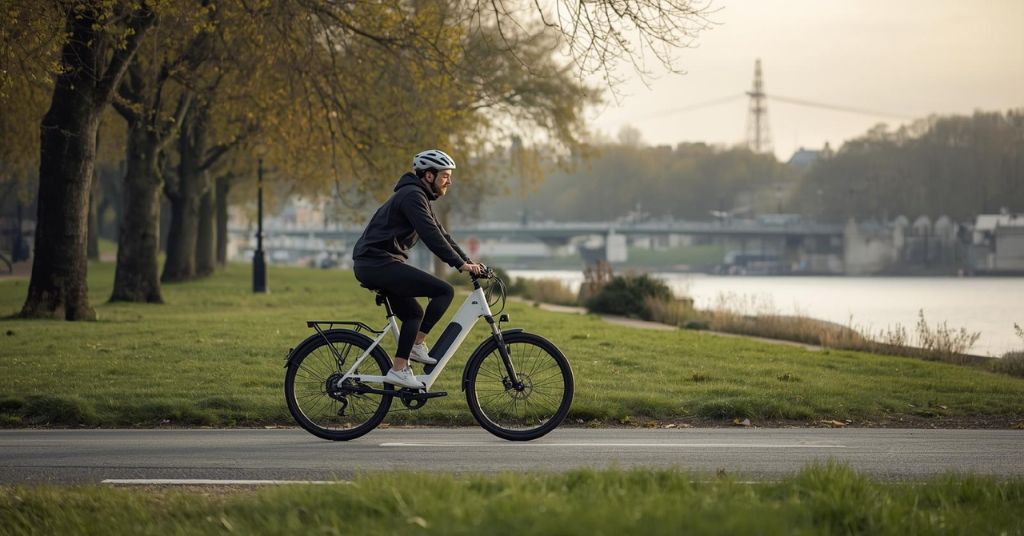
Mental well-being is another major benefit. Cycling outdoors, even with assistance, provides stress relief, fresh air, and a sense of autonomy. In a world that feels increasingly fast-paced and digital, electric cycling offers moments of calm and clarity that are hard to find elsewhere.
Family Riding and Shared Experiences
Electric bikes have also transformed family cycling. Parents can carry children or keep pace with younger riders without exhaustion. Mixed-ability groups can ride together comfortably, making cycling a shared activity rather than a competitive one.
In 2026, family-friendly electric bikes and accessories allow parents to integrate cycling into everyday routines, from school runs to weekend outings. These shared experiences often become cherished memories, fostering confidence and independence in younger riders while keeping adults engaged and active.
Electric cycling has strengthened the social side of biking, turning it into a lifestyle that fits seamlessly into modern family life
Looking Ahead to the Future of Electric Cycling
As 2026 unfolds, electric cycling continues to shape how people move, explore, and connect. It represents a shift away from rigid transportation habits toward something more flexible, personal, and enjoyable. Electric bikes are not replacing traditional cycling; they are expanding it.
Riders are discovering that electric cycling is not about doing less, but about doing more. More miles, more adventures, more moments outdoors, and more reasons to choose the bike over the car. The future of cycling is not defined by speed or power alone, but by accessibility, freedom, and joy.
For those ready to embrace this new era of riding and explore what electric cycling can truly offer, the journey begins with choosing the right bike and the right support, something that can be found at leabridge cycles.