
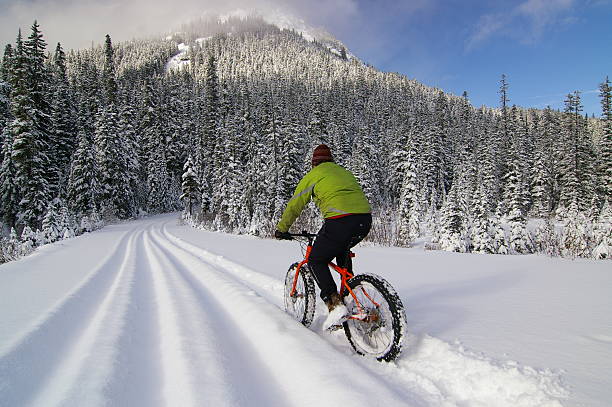
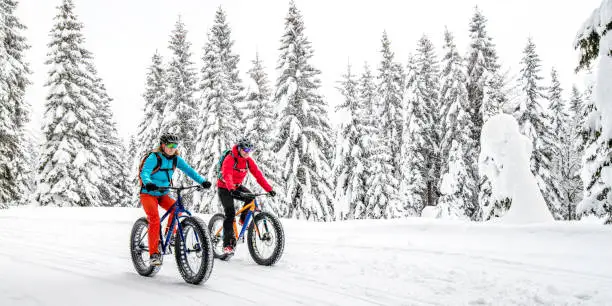
or many cyclists, snow is a signal to hang up the bike until spring. But for others, it’s an invitation to embrace a whole new riding experience. Cycling in the snow can be exhilarating, offering a unique way to connect with nature and stay active during the winter months. With the right preparation and mindset, snow cycling can become a rewarding part of your routine. Here’s how to make the most of it.
Why Cycle in the Snow?
- Adventure Awaits: Snow transforms familiar trails and roads into magical landscapes, turning even routine rides into adventures.
- Stay Active: Cycling through winter keeps you fit and builds resilience, both physically and mentally.
- Eco-Friendly: Opting for your bike over a car, even in winter, reduces your carbon footprint and supports sustainable transportation.
Gear Up for Winter Rides

- Choose the Right Bike:
- Fat bikes with wide, low-pressure tires are ideal for snowy terrain.
- Mountain bikes with studded tires offer better traction on icy roads.
- Dress for Success:
- Layer Up: Start with a moisture-wicking base layer, add insulating layers, and finish with a windproof, waterproof outer shell.
- Protect Extremities: Wear thermal gloves, wool socks, and a balaclava or neck gaiter. Don’t forget a helmet cover for extra warmth.
- Lighting and Visibility:
- Winter days are shorter and often overcast. Equip your bike with bright front and rear lights.
- Reflective gear is essential to ensure visibility to other road users.
- Essential Accessories:
- Fenders to keep slush off your clothes.
- A water bottle with insulated covers to prevent freezing.
- A small repair kit for unexpected breakdowns.
Mastering Snowy Terrain
- Adjust Your Riding Style:
- Slow down and maintain a steady pace to navigate slippery patches.
- Use lower gears to keep better control on snowy surfaces.
- Stay Relaxed:
- Keep a light grip on the handlebars and stay seated to maintain traction.
- Avoid sudden braking or sharp turns, which can cause skidding.
- Watch for Hazards:
- Be on the lookout for hidden ice, potholes, and uneven terrain under the snow.
- Stick to packed snow or trails when possible, as deep snow can make pedaling challenging.
Benefits of Snow Cycling
- Mental Boost:
- Riding in snow offers a sense of achievement and adventure, boosting your mood during the darker months.
- Strength Building:
- Snow creates resistance, giving your legs a better workout than dry conditions.
- Connection with Nature:
- The quiet beauty of snowy landscapes makes for a serene and meditative experience.
Safety First
- Plan Your Route:
- Stick to well-traveled paths where the snow is more likely to be packed down.
- Avoid busy roads with heavy traffic during icy conditions.
- Know Your Limits:
- If conditions worsen, don’t hesitate to turn back or take a safer route.
- Let someone know your route and expected return time.
- Stay Warm:
- Take breaks indoors if needed to warm up and hydrate.
Final Thoughts
Cycling in the snow isn’t just about keeping up with your routine; it’s about embracing a challenge and enjoying the season in a unique way. With the right preparation, a sense of adventure, and a little caution, snow cycling can become one of your favorite winter activities. So bundle up, gear up, and hit the snowy trails — the winter wonderland awaits!